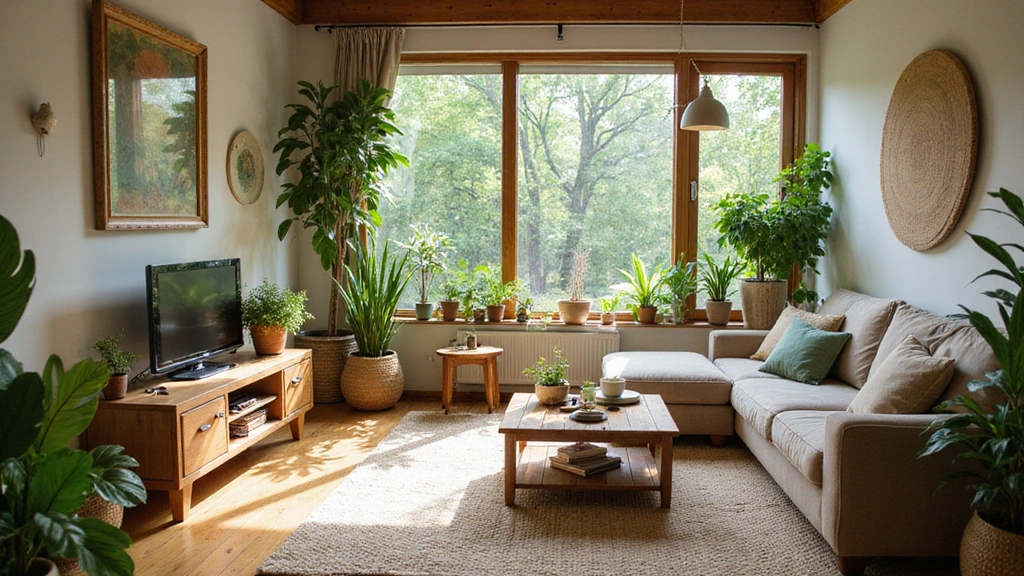
As we step into 2025, a wave of sustainable decor trends is reshaping how we think about our living spaces.
From eco-friendly materials to nature-inspired designs, the focus is on creating homes that not only look good but also do good for the planet.
Join us as we explore the most exciting and visually stunning sustainable decor trends that embody green living, making your home a beautiful sanctuary while contributing to a healthier Earth.
Contents
- 1. Upcycled Furniture: A Second Life
- 2. Organic Textiles: Comfort Meets Sustainability
- 3. Biophilic Design: Bringing the Outdoors In
- 4. Minimalist Aesthetics: Less is More
- 5. Reclaimed Wood: Rustic Charm
- 6. Eco-Friendly Paints: Color with Care
- 7. Sustainable Lighting: Bright Ideas
- 8. Nature-Inspired Color Palettes: Earthy Tones
- 9. Smart Home Technology: Eco-Conscious Living
- 10. Outdoor Living Spaces: Eco-Friendly Retreats
- 11. Handcrafted Decor: Unique Touches
- 12. Green Roofs and Walls: Eco-Friendly Innovations
- 13. Water-Saving Features: Sustainable Solutions
- 14. Biodegradable Materials: Eco-Friendly Choices
- 15. Ethical Sourcing: Mindful Choices
1. Upcycled Furniture: A Second Life

Upcycled furniture is more than just a trend; it’s a movement that breathes new life into old pieces. This approach not only reduces waste but also gives you unique items that tell a story. Picture a vintage dresser transformed into a chic bathroom vanity or an old door turned into a rustic coffee table. These pieces are perfect for adding character and sustainability to your home.
Here are some unique insights on upcycling:
– Creativity is Key: Use paint, fabric, or new hardware to give old furniture a fresh look.
– Local Finds: Visit thrift stores or garage sales for hidden gems to upcycle.
– Skill Building: Upcycling can also be a fun DIY project, enhancing your skills while being eco-conscious.
With upcycled furniture, your home becomes a gallery of stories, showcasing your commitment to sustainability while setting a trend that’s truly yours.
Tips for Upcycling:
– Choose sturdy pieces that can handle a little makeover.
– Look for furniture made from solid wood; it’s easier to work with!
– Don’t be afraid to mix styles for a unique look.
Consider checking out these products to kickstart your upcycling journey: paint for furniture, tools for DIY, vintage hardware sets.
2. Organic Textiles: Comfort Meets Sustainability

Organic textiles are set to dominate home decor in 2025, bringing comfort and sustainability together beautifully. These fabrics are made from natural fibers grown without harmful chemicals, making them better for the environment and your health. Imagine snuggling up in a soft organic cotton duvet or draping your windows with linen curtains that are as gentle on the planet as they are on your skin.
Here’s why organic textiles are essential:
– Healthier Homes: They are free from toxic chemicals, reducing allergens and improving indoor air quality.
– Durability: Organic fabrics are often more robust and long-lasting, saving you money in the long run.
– Style Variety: From chic patterns to earthy tones, there’s an organic textile option for every aesthetic.
Suggestions for Using Organic Textiles:
– Layer different textures for a cozy vibe.
– Use organic throws and pillows to add pops of color to neutral spaces.
– Consider investing in organic bedding for a restful night’s sleep.
For your organic textile needs, check out these products: organic cotton sheets, linen curtains, eco-friendly throw blankets.
3. Biophilic Design: Bringing the Outdoors In

Biophilic design is all about connecting with nature, and it’s a major trend for 2025. This approach incorporates natural elements into interior spaces, promoting well-being and tranquility. Think of lush indoor gardens, natural light, and earthy color palettes that mimic outdoor landscapes. By integrating elements like plants, natural light, and organic materials, you create a refreshing sanctuary within your home.
Key features of biophilic design include:
– Indoor Plants: Incorporate a variety of plants, from succulents to larger statement trees, to improve air quality and aesthetics.
– Natural Light: Optimize window placements and use light colors to reflect natural light, making spaces feel larger and more inviting.
– Natural Materials: Use wood, stone, and other organic materials in furniture and decor to echo the beauty of nature.
Tips for Biophilic Design:
– Consider vertical gardens or hanging planters for small spaces.
– Use glass doors to blur the lines between indoors and outdoors.
– Choose calming colors inspired by nature, such as greens and browns.
Explore these products to enhance your biophilic space: indoor plants, natural wooden planters, eco-friendly lighting solutions.
4. Minimalist Aesthetics: Less is More

The minimalist aesthetic continues to gain traction in sustainable decor for 2025. By focusing on simplicity and functionality, this design philosophy encourages you to curate your space thoughtfully. Minimalist decor prioritizes quality over quantity and often incorporates sustainable materials. Imagine a serene room with clean lines, neutral colors, and only a few meaningful pieces of art or decor.
Here’s how to achieve a minimalist aesthetic:
– Declutter: Start by removing items that no longer serve a purpose or bring you joy.
– Choose Quality Items: Invest in well-made pieces that will last, rather than filling your home with disposable items.
– Functional Decor: Opt for decor that serves a purpose, such as stylish storage solutions or multi-functional furniture.
Unique Insights:
– Minimalism can lead to a more peaceful state of mind by reducing visual clutter.
– A few carefully chosen pieces can become focal points in your decor.
Consider these products to embrace minimalism: multi-functional furniture, stylish storage baskets, and simple wall art.
5. Reclaimed Wood: Rustic Charm

Reclaimed wood is a sustainable choice that adds rustic charm to any space. Using wood that has been salvaged from old buildings, barns, or furniture not only reduces waste but also introduces unique character to your home. Each piece of reclaimed wood has its own history and texture, making it a stunning focal point in your decor. Imagine a dining table made from a century-old barn beam or a headboard crafted from weathered planks.
Here’s why reclaimed wood is a fantastic choice:
– Sustainability: It minimizes the demand for new lumber, preserving forests and reducing carbon emissions.
– Unique Beauty: Each piece tells a story with its distinct markings and color variations.
– Versatility: Reclaimed wood can be used in furniture, flooring, and accents, fitting into various design styles.
Tips for Incorporating Reclaimed Wood:
– Choose pieces that complement your existing decor.
– Mix reclaimed wood with modern elements for a trendy contrast.
– Consider finishing reclaimed wood to enhance its natural beauty.
Explore these products to add reclaimed wood to your home: reclaimed wood furniture, rustic wood accents, and eco-friendly wood finish.
6. Eco-Friendly Paints: Color with Care

Eco-friendly paints are becoming a must-have for sustainable decor in 2025. Traditional paints often contain harmful chemicals that can affect indoor air quality and the environment. In contrast, eco-friendly paints are made from natural ingredients, making them safer for both your home and the planet. They come in a variety of colors and finishes, allowing you to express your style without compromising health.
Here’s why you should consider eco-friendly paints:
– Low VOCs: These paints have low volatile organic compounds, making them better for air quality.
– Durability: They often last longer and require fewer coats, saving time and resources.
– Variety: Available in a wide range of colors, eco-friendly paints can suit any design preference.
Tips for Choosing Eco-Friendly Paint:
– Look for reputable brands that certify their products as eco-friendly.
– Test samples to find the perfect shade before committing.
– Consider matte finishes to reduce glare and enhance the natural feel of your space.
Check out these products to get started with eco-friendly painting: low VOC paint, natural paint brushes, eco-friendly paint rollers.
7. Sustainable Lighting: Bright Ideas

Sustainable lighting is essential for creating an eco-friendly home in 2025. Utilizing energy-efficient bulbs and fixtures not only reduces your carbon footprint but also lowers energy bills. Imagine a cozy living room lit by stylish LED fixtures that mimic the warm glow of traditional bulbs while consuming less energy. Sustainable lighting combines functionality with aesthetics, ensuring your home feels inviting without harming the planet.
Here’s what to know about sustainable lighting:
– LED Bulbs: These last longer and use significantly less energy than traditional bulbs.
– Solar Lighting: Consider outdoor solar lights for eco-friendly illumination in your garden or patio.
– Smart Lighting: Use smart bulbs to control lighting remotely and save energy.
Tips for Sustainable Lighting:
– Layer different light sources, such as ambient, task, and accent lighting, for a well-lit space.
– Choose fixtures made from sustainable materials, like bamboo or recycled metals.
– Consider using dimmers to adjust brightness and save energy.
Explore these products to brighten your home sustainably: LED bulbs, solar garden lights, smart lighting systems.
8. Nature-Inspired Color Palettes: Earthy Tones

Nature-inspired color palettes are making waves in sustainable decor for 2025. Drawing from the natural world, these palettes feature earthy tones like greens, browns, and muted blues that create a calming atmosphere in your home. Imagine a living room painted in soft sage green, accented with warm wooden furniture and natural fabrics, bringing the serenity of nature indoors.
Here’s why nature-inspired colors work:
– Calming Effect: Earthy tones promote relaxation and well-being, creating a peaceful environment.
– Versatility: These colors work well with various design styles, from rustic to modern.
– Connection to Nature: They help create a harmonious balance between indoor and outdoor spaces.
Tips for Using Nature-Inspired Colors:
– Start with a neutral base and add pops of color through decor and textiles.
– Create a cohesive look by using shades from the same color family.
– Don’t shy away from layering different textures within the same color palette.
Consider these products to incorporate nature-inspired colors: eco-friendly paint, natural fiber textiles, earthy decor accents.
9. Smart Home Technology: Eco-Conscious Living

Smart home technology is revolutionizing sustainable living in 2025. By automating various aspects of your home, you can enhance energy efficiency and reduce waste. Imagine controlling your heating and lighting from your smartphone, ensuring they’re only on when needed. Smart devices not only make your life easier but also contribute to a greener planet.
Here’s how smart technology can help:
– Energy Monitoring: Smart meters track your energy usage, allowing you to make informed decisions.
– Automated Systems: Smart thermostats and lighting systems adjust automatically based on your habits, optimizing energy use.
– Remote Control: Manage your devices from anywhere, ensuring you never leave lights on or heating running.
Tips for Integrating Smart Technology:
– Start small with smart bulbs or plugs, and gradually expand your smart home system.
– Research eco-friendly smart devices that prioritize sustainability.
– Ensure your Wi-Fi system is strong to support multiple devices seamlessly.
Check out these products to upgrade your home with smart technology: smart thermostats, smart plugs, energy monitoring systems.
10. Outdoor Living Spaces: Eco-Friendly Retreats

Creating outdoor living spaces is a growing trend in sustainable decor for 2025. These areas serve as extensions of your home, promoting relaxation and connection with nature while being mindful of the environment. Picture a deck made from reclaimed wood, adorned with comfortable, eco-friendly furniture, and surrounded by native plants that require minimal maintenance. Outdoor spaces not only enhance your lifestyle but also contribute to biodiversity.
Here’s why outdoor living matters:
– Connection to Nature: Spending time outdoors boosts mood and well-being.
– Sustainable Practices: Incorporate native plants and sustainable materials to reduce your environmental impact.
– Entertaining Space: Create a welcoming area for gatherings while enjoying the benefits of nature.
Tips for Designing Outdoor Spaces:
– Use sustainable materials for decks and furniture.
– Choose plants that thrive in your local climate to minimize water usage.
– Incorporate eco-friendly lighting for ambiance without harming wildlife.
Consider these products for your outdoor oasis: reclaimed wood furniture, eco-friendly outdoor lighting, native plants.
11. Handcrafted Decor: Unique Touches

Handcrafted decor is gaining popularity as people seek unique, artisanal touches for their homes. Supporting local artisans and sustainable practices, handcrafted items often use natural materials and traditional techniques. Imagine a beautifully woven basket, a hand-thrown ceramic vase, or a bespoke piece of furniture that adds a personal touch to your space. Handcrafted decor not only beautifies your home but also connects you to the stories and cultures behind each piece.
Here’s why handcrafted decor is special:
– Unique Designs: Each piece is one-of-a-kind, adding character and charm.
– Support Local Artisans: Purchasing handcrafted items supports local economies and reduces mass production.
– Sustainable Practices: Many artisans prioritize eco-friendly materials and methods.
Tips for Incorporating Handcrafted Decor:
– Mix handcrafted items with modern decor for an eclectic look.
– Look for local craft fairs or online platforms that support artisans.
– Choose pieces that resonate with your personal style and values.
Check out these products to add handcrafted charm to your home: woven baskets, handmade ceramics, artisanal decor items.
12. Green Roofs and Walls: Eco-Friendly Innovations

Green roofs and living walls are innovative trends in sustainable decor that are gaining traction for 2025. These features not only enhance the aesthetics of your home but also improve air quality, reduce heat, and promote biodiversity. Imagine a roof covered in lush greenery or a vertical garden that turns an ordinary wall into a vibrant landscape. These installations contribute to a healthier environment while creating stunning visual appeal.
Here’s why green roofs and walls are beneficial:
– Insulation: They help regulate temperatures, reducing energy costs.
– Wildlife Habitat: Green spaces provide habitats for birds and insects, promoting biodiversity.
– Aesthetic Appeal: They add a unique beauty to your home, making it stand out.
Tips for Implementing Green Roofs and Walls:
– Consult with professionals to design and install these features effectively.
– Choose native plants that require less maintenance and water.
– Consider incorporating edible plants for a functional garden.
Explore these products for green installations: living wall kits, rooftop garden systems, native plants for landscaping.
13. Water-Saving Features: Sustainable Solutions

Water-saving features are essential in sustainable decor trends for 2025. As climate change continues to impact water availability, implementing water-efficient solutions in your home is more important than ever. Picture a stylish bathroom fitted with low-flow fixtures, or a garden designed with drip irrigation to conserve water. These features not only help the environment but also save you money in the long run.
Here’s why water-saving features matter:
– Conserve Resources: Reducing water usage helps preserve this precious resource.
– Cost Savings: Water-efficient fixtures can lower your utility bills.
– Eco-Friendly Landscaping: Designing gardens with native plants reduces water needs.
Tips for Incorporating Water-Saving Features:
– Install low-flow faucets and showerheads to reduce water usage without sacrificing performance.
– Use rain barrels to collect water for gardening.
– Design your garden with drought-resistant plants.
Consider these products to enhance your water-saving efforts: low-flow faucets, rain barrels, drought-resistant plants.
14. Biodegradable Materials: Eco-Friendly Choices

Biodegradable materials are becoming increasingly popular in sustainable decor for 2025. These materials break down naturally, reducing waste and pollution. Imagine decor items made from bamboo, cork, or recycled paper that not only look great but also support a healthier planet. Using biodegradable materials in your home decor is a simple yet impactful choice.
Here’s why biodegradable materials are important:
– Reduce Waste: They contribute to a circular economy by breaking down naturally.
– Eco-Friendly: Many biodegradable materials are sourced sustainably.
– Versatile Design: They can be used in various decor styles, from rustic to modern.
Tips for Incorporating Biodegradable Materials:
– Look for decor items made from bamboo, cork, or other sustainable sources.
– Consider furniture options that use biodegradable materials.
– Educate yourself on how to dispose of these items responsibly.
Check out these products to enhance your home with biodegradable materials: bamboo decor items, cork coasters, recycled paper decor.
15. Ethical Sourcing: Mindful Choices

Ethical sourcing is a crucial aspect of sustainable decor in 2025. This trend emphasizes the importance of knowing where your products come from and ensuring they are made under fair labor conditions and with environmentally friendly practices. Imagine filling your home with decor items that not only look beautiful but also support artisans and communities around the world. Ethical sourcing fosters a deeper connection between consumers and the products they choose.
Here’s why ethical sourcing matters:
– Support Communities: Purchasing ethically sourced items helps support local artisans and fair trade practices.
– Transparency: Knowing the origin of your decor fosters mindfulness in your purchasing decisions.
– Quality over Quantity: Ethical items are often made with care and attention to detail, ensuring longevity.
Tips for Ethical Sourcing:
– Research brands and their sourcing practices before making a purchase.
– Look for fair trade certifications when shopping.
– Support local artisans and craftsmen to reduce carbon footprints.
Explore these products for ethical sourcing: fair trade decor items, locally made furniture, sustainable home accessories.
Conclusion: Embracing Sustainable Decor Trends

As we embrace these sustainable decor trends for 2025, we open the door to a more conscious and beautiful way of living.
By integrating these ideas into our homes, we not only enhance our living spaces but also contribute positively to the environment.
Let’s commit to making mindful choices that reflect our values, ensuring a healthy planet for generations to come.


Leave a Reply